Silenced Review: When #MeToo Faces the Litigious Masses
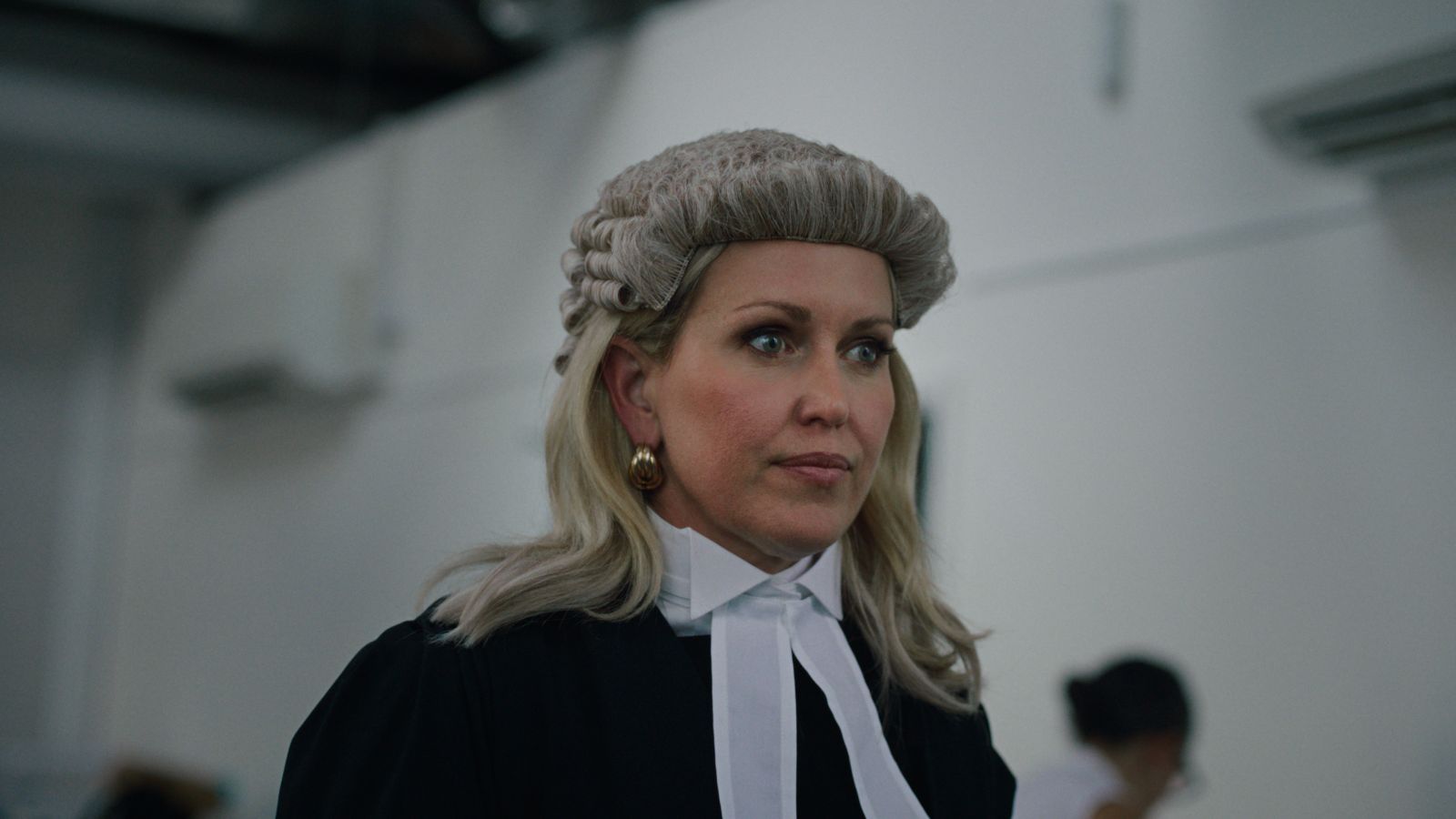
The stories of women who spoke up during #MeToo and then faced reprisals for seeking justice fuel Silenced, a somewhat messy, but compelling documentary. The post Silenced Review: When #MeToo Faces the Litigious Masses appeared first on POV Magazine.
Silenced
(Australia, 97 min.)
Dir. Selina Miles
Prod. Blayke Hoffman
Programme: World Cinema Documentary Competition (World premiere)
Back in the day, Silenced reminds audiences, men would settle their grievances via duels to the death. With their honour besmirched, they’d whip out their swords to defend their allegedly good names against the party who ostensibly wronged them. The rules of yore dictated that the survivor would be the true one with the guilty party rightly expunged.
However, Silenced notes that men, dumb as they are (my words, in this case), were dying too numerously. So begins the creation of defamation suits to settle wars of words by means other than bloodshed. Make no mistake, though: these suits remain battles to the death, as the power of litigation that follows #MeToo illustrates in Silenced.
Director Selina Miles (Martha: A Picture Story) examines the cases of several women who’ve endured one legal battle after another for speaking out. The documentary lays out how various systems including the courts, the media, and—the worst—the court of public opinion punish women for seeking justice.
The film unfortunately finds some threads lost amid the inevitably rehash of cases from the #MeToo movement, from Harvey Weinstein to Sean Combs to Brett Kavanagh. Moreover, the stream of post-script title cards that end the film, some regarding cases that appear in Silenced for mere seconds, illustrates how tighter focus might benefit the stories at the documentary’s core. However, seeing the usual suspects trucked out amid the tidal wave of #MeToo docs speaks not only to the stagnation of society but the retributive nature of the game.
There’s an enormous task here, and one can appreciate that the delicacy of juggling so many cases leaves an unenviable minefield of legal implications to navigate. Every story in the documentary introduces a murderers’ row of litigious parties. (Note the recurring use of “allegedly” here.)
However, Silenced finds a compelling story in Australian lawyer Jennifer Robinson, who practices with Doughty Street Chambers in London, England. She’s a brilliant mind defending the silence breakers, but she’s well aware of the odds against her. Defamation laws, she notes, were written at a time when women were property. Everything about the legal process of speaking up inherently favours the man by design with the burden of proof and so on.
Moreover, Robinson has a particular case that demonstrates the ways in which women face trial by fire more so in the post-#MeToo movement than ever. Silenced explores the case of Robinson’s client, actress Amber Heard, who faced the worst the media scrutiny when she took the stand after her ex-husband sued London’s News Group Newspapers and The Sun for defamation regarding allegations of abusive behaviour, for which Heard was called in to testify for the publisher’s defense. Silenced cycles through the public misogyny and vitriol that grew to a fever pitch on social media as fans defended Depp and spat on Heard. “Don’t be an Amber,” online memes advised against women who have something to say about (allegedly) predatory men.
Heard again takes the stand here and Silenced admirably seeks not a retrial of the Depp case and the 2022 counter-trial that inspired a media circus when he sued her for defamation. Instead, Heard offers herself as a cautionary tale. She has nothing left to lose by sitting down for an interview with Miles. She’s a credible and compelling voice, and the toll of the ordeal is evident in every way she carries herself, as much as she remains composed. The film asks audiences to consider the cost faced by the silence breakers they applauded mere years ago, but left to their own defenses. “I don’t even want to use my voice anymore,” Heard admits in the film.
Her story finds parallels in that of Mexico-based journalist Catalina Ruiz-Navarro, director of the feminist magazine Volcánicas. Ruiz-Navarro opens up about the fallout that occurred when Volcánicas published a story in which nine women came forward with allegations of sexual abuse by Colombian filmmaker Ciro Guerra, director of the Oscar-nominated Embrace of the Serpent.
The reporter tells how she preserved the anonymity of the women in her story, but ensured that it was journalistically sound by having numerous cases and testimonies crossed-checked and referenced with multiple sources.
Nevertheless, Silenced follows her case as Guerra sues her in not one court, but three. The filmmaker initiates suits against her in the criminal, civil, and constitutional courts. Silenced finds in this case the perfect storm of #MeToo truth-telling: the men accused often have enormous resources to enact the fury of the courts against women to pressure them into staying silent. Ruiz-Navarro and her lawyer articulate how the three cases, besides simply overwhelming the journalist’s time, seek to intimidate her through the threat of jail time and penalties beyond her means. And, like Heard, she walks around with a target on her back for outing a beloved artist.
Similarly, there’s a compelling third narrative in the story of Australian Brittany Higgins. Silenced invites her to speak her truth about the night on which she was allegedly raped by a fellow staffer in Parliament. Higgins tells how her initially opted against pressing charges, as she worried about tanking her political career, but spoke out when learning of additional cases of abuse that women faced in her party only to face a revolving door of trials. In an act of life imitating art, Higgins’ former boss Linda Reynolds issued legal action against the filmmakers following the documentary’s Sundance premiere even though Silenced names only another party. (Reynolds bankrupted Higgins in 2025 after successfully suing her for reputation damage.)
Together, these three stories encapsulate the power of judicial harassment that tells women that silence is the safest option. But the film pointedly challenges that mindset, as Heard, Ruiz-Navarro, and Higgins refuse to keep their mouths shut. The documentary also finds valuable perspectives from South African activist Sibongile Ndashe, who supports fellow survivors, and Brit Nicola Stocker, who faced a multi-year defamation case (and eventually won) after her ex-husband sued her over a comment she made on Facebook.
In some ways, Silenced might be a bit muddied by the fact that it contains so many stories, but there’s also a strength to the messiness. It’s a collective message to future silence breakers that they’re not alone.
Silenced premiered at the 2026 Sundance Film Festival.
The post Silenced Review: When #MeToo Faces the Litigious Masses appeared first on POV Magazine.
Related Articles
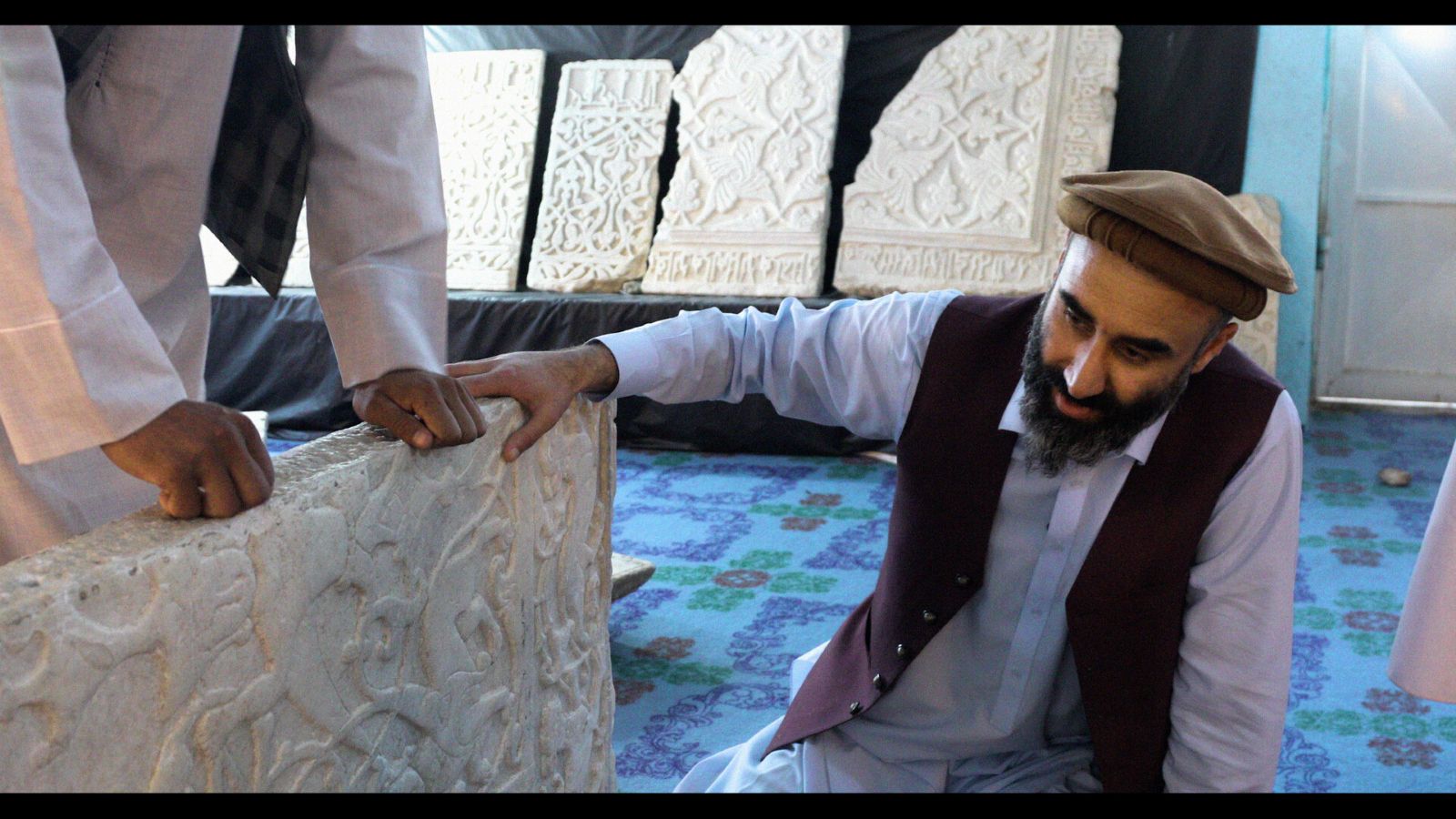
The Theft Review: Reclaiming Afghanistan’s Cultural History
Efforts to repatriate artifacts and artworks stolen from Afghanistan invite wider considerations of cultural history in Aisha Jamal's The Theft . .
The 2026 Sundance Documentary Report: On Last Calls & New Beginnings
Documentary highlights from the 2026 Sundance Film Festival include Nuisance Bear, Once Upon a Time in Harlem, Time and Water, All About the Money, and more! The post The 2026 Sundance Documentary Report: On Last Calls & New Beginnings appeared first on POV Magazine.

The Story of Documentary Film Review: The Art of Documenting Documentaries
The Story of Documentary Film sees Mark Cousins chronicle the history of cinema in his signature fashion with this look at the art of non-fiction film. The post The Story of Documentary Film Review: The Art of Documenting Documentaries appeared first on POV Magazine.