The Oscar Nominated Short Docs: Donkeys Bring Light from Darkness
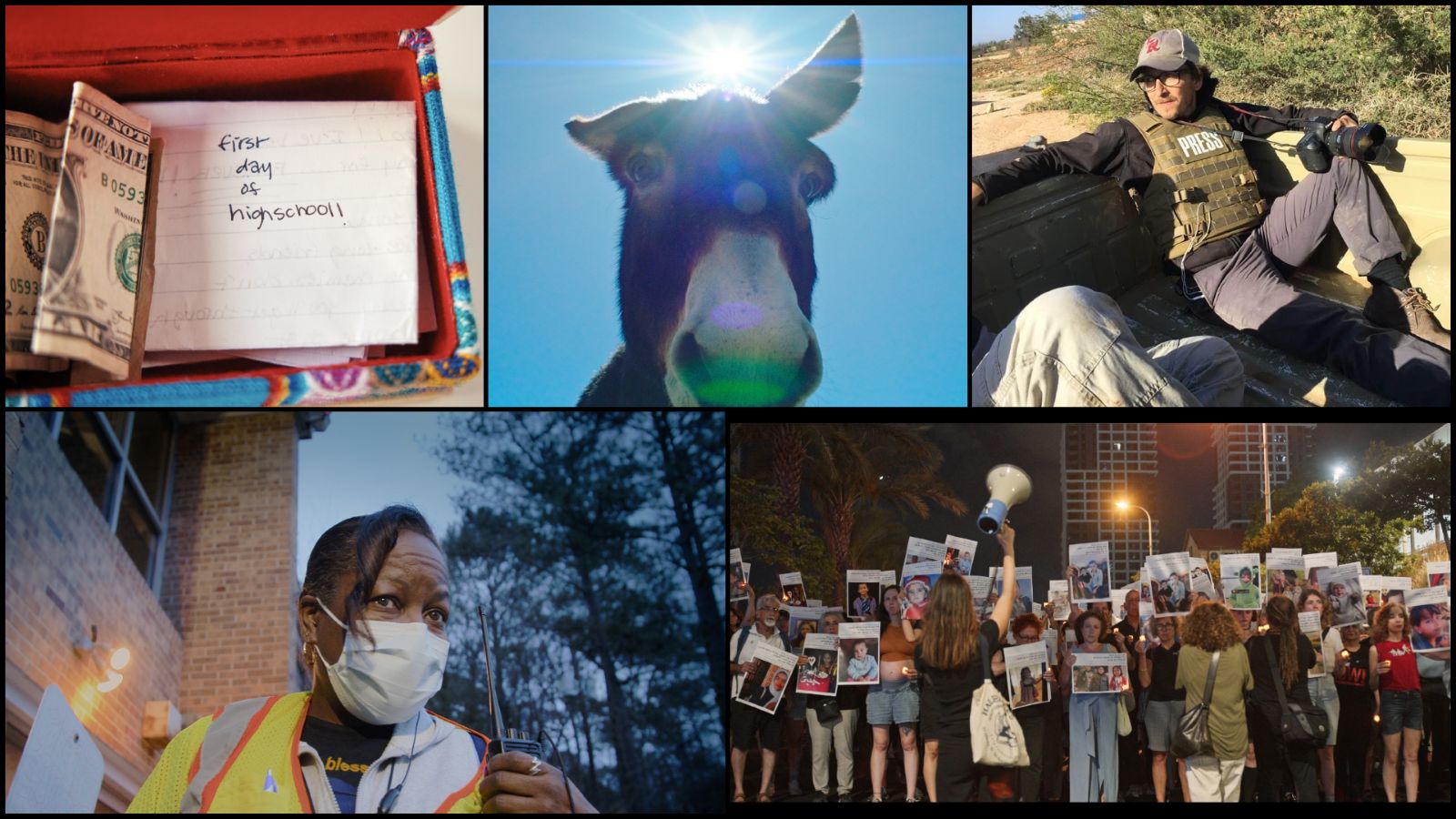
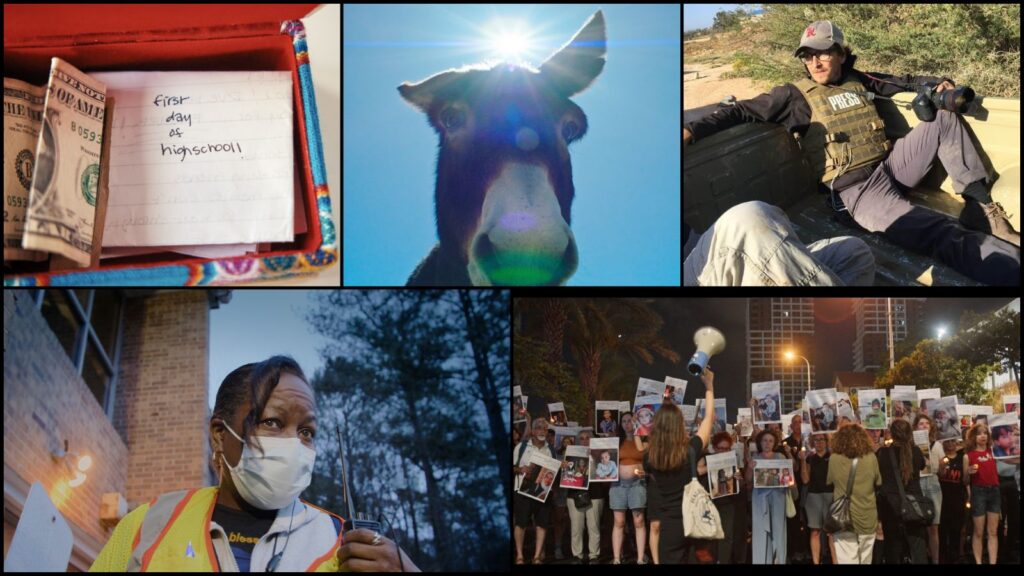
Review of the Oscar nominated short documentaries perfectly a strangeness, The Devil Is Busy, Armed with Only a Camera, Children No More: "Were and Are Gone" and All the Empty Rooms . .
Voters face an unenviable task when it comes to choosing a winner among the Oscar-nominated documentary shorts. The short docs again deliver a strong field. The five nominees have virtually nothing in common aside from the honour they share, which makes for an odd and emotionally exhausting screening. Wins could be determined by whatever order in which a voter decides to watch them.
For example, the Oscar shorts position Canadian contender Alison McAlpine’s nominee perfectly a strangeness first in the line-up of the theatrical screenings. This offbeat donkumentary might best be served by appearing in the middle of the programme or, better yet, closing it. It’s a true stand-out original that provides some refreshing light-heartedness within an awfully heavy line-up. But it’s a deceptive work: simple on the surface, but rich, complex, and fun to explore.
McAlpine playfully follows a trio of alpacas as they trot up the road to visit an observatory in Chile’s Atacama Desert. With nary a shred of dialogue, save for the clippity-clop of hooves as the animals ascend the mountain, perfectly a strangeness conjures a great element of play as one imagines what drives these creatures towards the observatory. Beautifully shot by cinematographer Nicolas Canniccioni with an offbeat quirkiness, the film affords the animals respect and distinct personalities without anthropomorphizing them.
This film easily distinguishes itself from the herd through its artistry. A Quixotic quest materialises as the donkeys make their way to the top with a nap or two along the way. Moreover, McAlpine gradually explores the technology of the observatory, which allows the human eye to see the stars through an awesome telescope. The lens finds an uncanny parallel in the eye of a donkey that one sees in extreme close-up, and perfectly a strangeness invites one to consider who differently the world looks through a different set of eyes. This documentary playfully piques one’s curiosity through a truly immersive and sensorial experience. Of all the nominated shorts, it truly feels like a singular work that creates a new space within non-fiction with a fresh language. It’s guaranteed to put a smile on one’s face thanks to the donkeys’ infectious sense of wonder.
That smile quickly vanishes, however, with the opening frames of the extremely powerful film that follows it. The Devil Is Busy, directed by Christalyn Hampton (in her directorial debut) and Geeta Gandbhir (also nominated for The Perfect Neighbor), offers a grim but compelling and ultimately hopeful snapshot of the daily battle for reproductive rights.
This effective vérité-style doc takes audiences inside an abortion clinic in Atlanta, Georgia where Tracii, the head of security, shares the reality of operations in a single day. Tracii takes the camera on a tour of the clinic as she opens it, checks rooms for assailants who may have hidden inside overnight, and prepares the waiting room with drinks and snacks for guests who’ve travelled a long way for a stressful ordeal. Outside, Tracii taps on windows of cars in the parking lot and makes sure that anyone waiting early has an appointment. Meanwhile, protesters gather to ward off the day’s guests.
There’s a Wiseman-esque power to The Devil Is Busy as Hampton and Gandbhir capture the machinery of the clinic that provides women with life-saving career. Voices of doctors make clear what’s at stake with the rolling back of reproductive rights, while observations of staff following procedure illustrate how a single day in the gestation period can enable care, while going over by 24 hours might force a woman across state lines. Outside, angry men preach gospel and police women’s bodies with words that don’t jive with their own actions. But Tracii’s voice cuts through the devil’s cacophony with compassion and care. She illuminates the complexity of the situation as someone who lost her babies and never had children. Her voice offers a reassuring reminder that love trumps hate. This is an extraordinary piece of political filmmaking that speaks to the present with voices in the thick of the fight.
Meanwhile, the Oscar nominated short documentaries do one for the home team with Armed with a Camera: The Life and Death of Brent Renaud. Directed by Craig Renaud with his late brother credited for his significant footage that forms much of the film, the doc arguably provides a sentimental favourite in the field. The film captures Brent’s work as a fearless journalist and filmmaker who took his camera to conflict zones and refused to look away. Craig respects his brother’s unwavering stance and keeps the lens trained on Brent’s blood-spattered corpse so that people can see the violence in Ukraine, as his brother was killed by Russian soldiers while reporting on the invasion in 2022.
Armed with Only a Camera weaves between the effort to repatriate Brent’s body and celebrate his life, while also saluting the journalists who report from conflict zones. The film features Renaud’s reports from crises around the world from war-torn Afghanistan to hurricane-struck Haiti and asks why covering a story from the ground has become one of the world’s deadliest professions. As a film, Armed with Only a Camera admittedly struggles to make the leap from a journalistic work to a cinematic one in terms of narrative and finesse, but it’s an important reminder of the bravery entailed in bringing many of these stories, nominated or not, to screen.
Lost children, meanwhile, fuel two very strong nominees: Children No More: “Were and Are Gone” and All the Empty Rooms. The former, from director Hilla Medalia (Mourning in Lod) offers a nuanced snapshot of voices in Israel that deserve attention. The film zooms in on a group of activists in Tel Aviv who protest the Israeli government’s assault on Gaza by drawing attention to the many children who have been murdered by the senseless violence. Activists stage demonstrations by creating placards that feature photographs of the deceased kids, their ages, dates of death, and the remembrance of “was and is no more.” As the protests grow, the number of photographs combine to create an urgent plea for peace. In some cases, no photographs of the children exist. The demonstrators therefore struggle with the right was to remember them without sugar-coating the genocide. (A trick with painted flowers inspires a mixed response.)
However, the demonstrations spark fierce pushback. Israelis chastise the protesters and feel they should display photos of the hostages instead. Medalia captures the escalating tension and the risks entailed with speaking against Israel on home turf, especially when open and respectful debate seems impossible for some parties. Children No More observes the fraught climate for free and the emotional complexity of advocating for the lives of others in the face of neighbours’ pain. This film straddles a delicate line but bravely shows acts of solidarity in support of Gazans and in defiance of the Netanyahu government—one has to commend voters for having the stones to single this film out in a polarised landscape. It’s exactly the kind of story that deserves more attention right now. Hearing these activists’ stories, and the names of lost children, could do the world some good.
While pictures of children make effective rallying points in Children No More, the absence of kids makes All the Empty Rooms an absolutely devastating film. This doc by recent nominee Joshua Seftel (Stranger at the Gate) follows journalist Steve Hartman and photographer Lou Bopp in the home stretch of a seven-year project. They aim to document an epidemic of violence in America by photographing the bedrooms of children killed in school shootings. The film observes as they meet the families of kids whose stories fuel the final three photo sessions.
What follows is a touching act of remembrance as parents share what they loved about their kids. There are many, many tears as parents recall a day that started like any other and ended in the worst imaginable way. As families share stories, Bopp’s photos capture elements of the bedrooms that evoke the child’s distinct personality. Objects like brushes with strands of hair, unreturned and unfinished library books, and lights left on convey lives tragically cut short. This project empathetically emphasizes life in the face of death as it celebrates the children and underscores the loss of innocence. After all, these kids simply went to school and died amid senseless violence.
Seftel deftly connects the stories of Hartman and Bopp within the mosaic as the former speaks about conceiving the project as a necessary response to the numbing he felt while delivering weekly platitudes while reporting on school shootings and the latter invites audiences to witness his daily photo sessions with his daughter as he takes her portrait each day before school and observes her growth à la Boyhood. There’s a jarring reality, though, that any photo could be her last. The film quite powerfully asks how a nation can get to the point of being so broken that parents need to wrestle with this reality. It’s an outstanding work and the Oscar frontrunner for good reason.
And if readers need a little levity after all those heavy shorts, perfect a strangeness is available to stream for free. Let those donkeys lift your spirits!
The Oscar nominated documentary shorts open in theatres Feb. 20 including at TIFF Lightbox and Mar. 8 at Hot Docs.
Armed with Only a Camera, The Devil Is Busy, and perfectly a strangeness are available to stream on Crave. All the Empty Rooms is on Netflix.
The post The Oscar Nominated Short Docs: Donkeys Bring Light from Darkness appeared first on POV Magazine.
Related Articles
Documentary Winners Inject Political Messages into Oscar Night
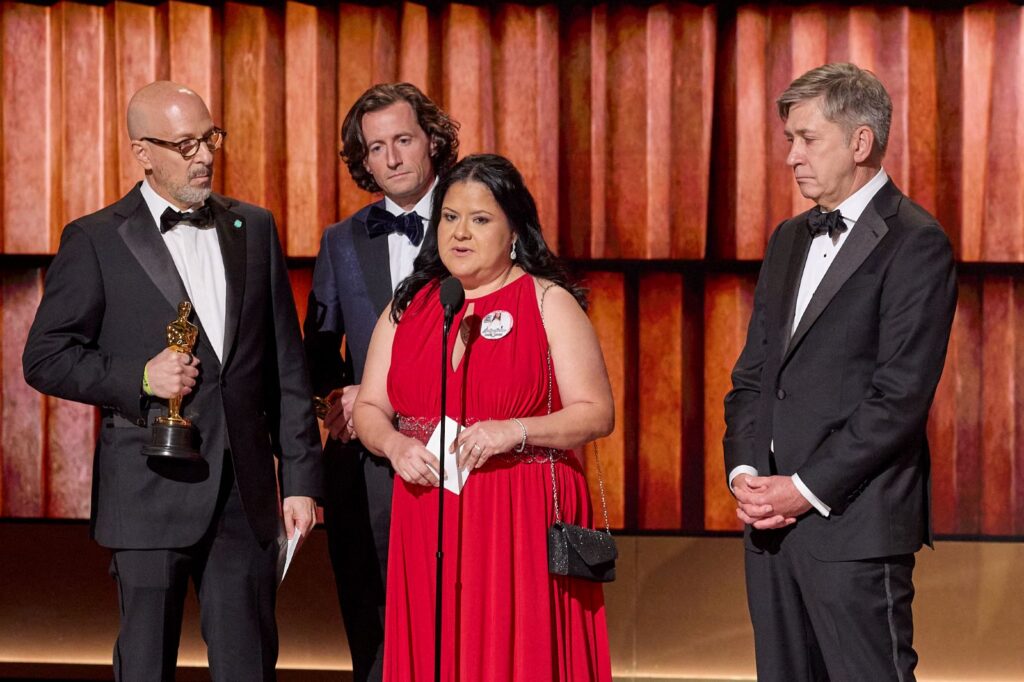
Mr. Nobody Against Putin and All the Empty Rooms win Oscars for Best Documentary and Best Documentary Short Film, respectively, while NFB scores its 13th Oscar. .
Oscar Predictions: Who Will and Should Win the Tight Documentary Races
Oscar predictions and picks in the documentary races see a close call between The Perfect Neighbor, Mr. Nobody Against Putin, Come See Me in the Good Light, The Alabama Solution , and Cutting through Rocks. .
The Theft Review: Reclaiming Afghanistan’s Cultural History
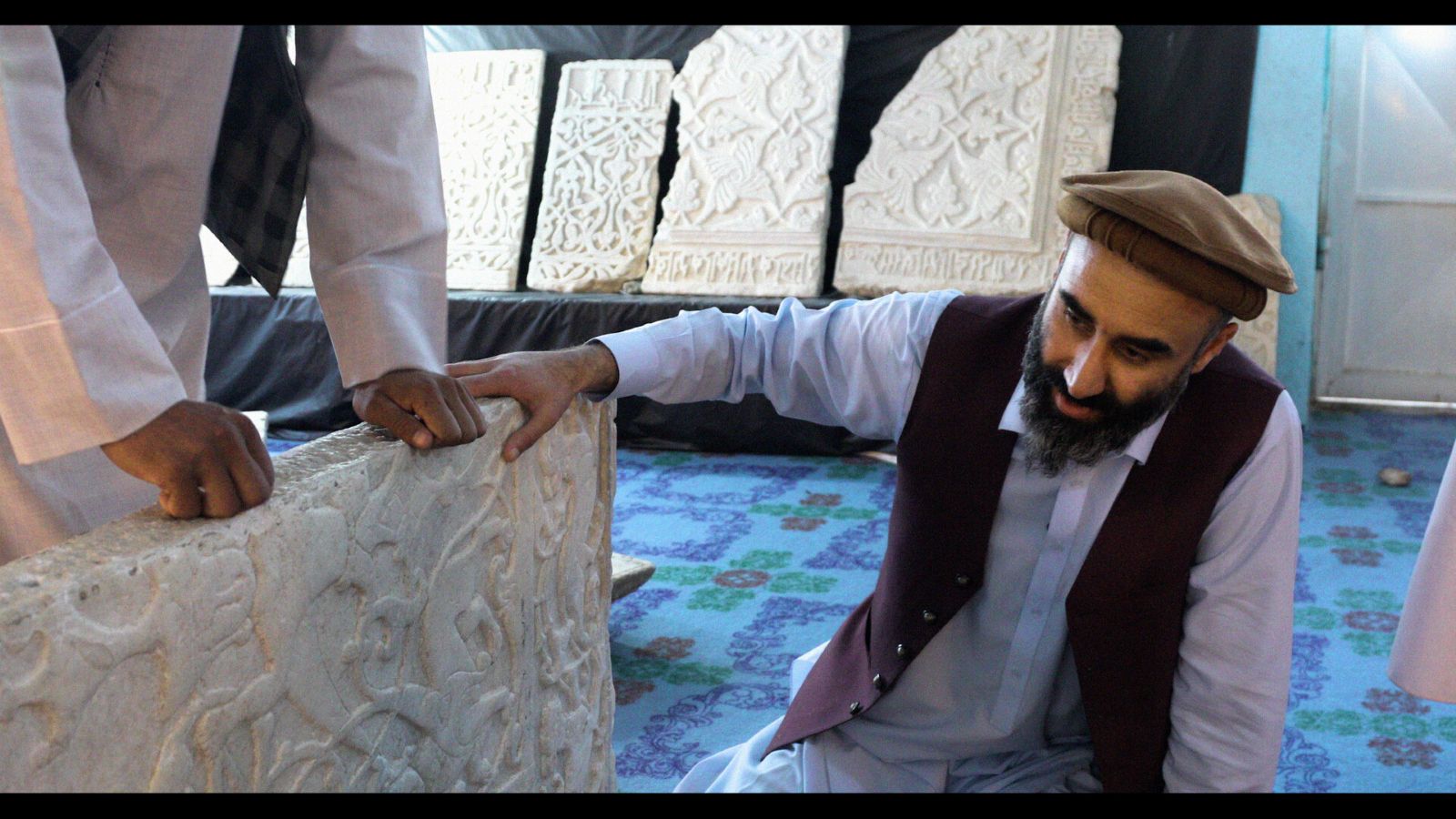
Efforts to repatriate artifacts and artworks stolen from Afghanistan invite wider considerations of cultural history in Aisha Jamal's The Theft . .