Runa Simi Review: Reconciliation through a DIY Disney Dub
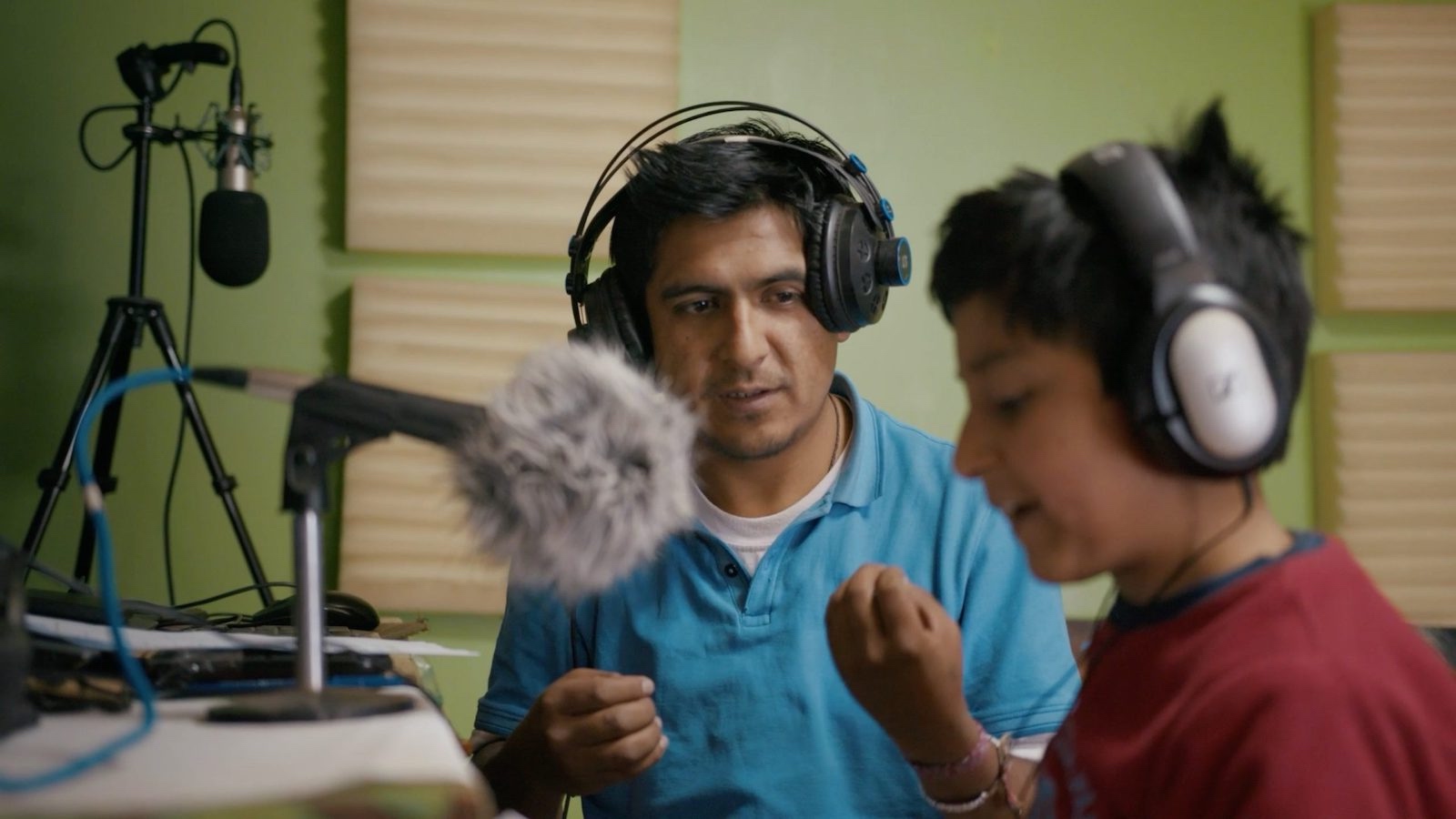
Artist and activist Fernando Valencia makes it his mission to create a dub of The Lion King in the Indigenous language Quechua in Runa Simi . .
Runa Simi
(Peru, 85 min.)
Dir. Augusto Zegarra Pineda-Arce
Prod. Claudia Chávez Lévano, Paloma Iturriaga
Last summer, I had the chance to attend a screening of George Lucas’s Star Wars dubbed in Ojibwe. The screening didn’t have subtitles and, not being a speaker of the Indigenous language nor a particular fan of Star Wars, I didn’t understand a word of it aside from the few lines of alien dialogue uttered by Jabba the Hunt. Those lines, randomly, had subtitles. While I may have been lost in space, other people in the crowd were clearly grounded. Moviegoers were crying as they experienced the classic epic in their own language.
Runa Simi makes a strong argument that enjoying movies in one’s own language shouldn’t be novelty. The film aspires to a new normal for the democratization of media. It’s a smart case study for an age when widely available consumer technology makes accessibility possible.
The film observes 29-year-old voice artist Fernando Valencia as he strives to share his love for movies. Valencia, an Indigenous activist and artist in Peru, enjoys a side project dubbing movie clips. He uses karaoke software to re-record scenes from Hollywood classics into Quechua. The ancestral language of the Incas endures as one of the most widely-spoken Indigenous tongues despite a complicated history. Valencia explains that 3.7 million Peruvians speak it (just under 14% of the population), with about 7 million speakers worldwide. Hollywood executives might think that a group that accounts for less than 0.01 percent of the world’s population is one they can ignore, but Runa Simi argues that no language minority should be left behind.
Valencia aligns his project and his passion for movies with a clear goal. He wants to create a full Quechua dub of Disney’s The Lion King. The mission invites some difficult hurdles. For one, reimagining intellectual property with a notoriously litigious studio won’t be easy. Add to that the fact that the words “lion” and “king” don’t have Quechua translations. Finally, wrangling Quechuan voice actors proves tricky given the history of language suppression. But Valencia accepts the challenge.
Fernando enlists his young son Dylan to play Simba. It’s a joy to watch as father and son bring The Lion King to life anew. Fernando’s modest DIY set-up does the job decently enough. He knows the technology isn’t quite up to professional industry standards, but it’s enough to make a working dub that conveys his vision. It helps, too, that Dylan takes direction well. He imbues Simba with youthful energy. The young actor gamely shows his confidence by taking perhaps the first Quechuan leading voice role. It’s a case of like father, like son as archival clips from Fernando’s childhood show a young talent for vocal performance.
However, Fernando worries that the community spirit won’t find an institution to support it. The film follows the artist as he calls one Disney official after another. He patiently leaves messages and plays telephone tag. He even lands a Zoom call with Lion King director Rob Minkoff after sliding into his DMs. Minkoff seems impressed by Fernando’s ambition, but the meeting goes nowhere. Even the national distributor passes Fernando along to someone in Lima, who basically tells him that Disney’s not going to bite.
As director Augusto Zegarra Pineda-Arce traces Fernando’s journey from Cusco to Lima and back through remote communities that serve as his target audience, Runa Simi situates the fight for The Lion King within the larger dynamics of media access. While Fernando explores all legal avenues to pursue his project, copyright infringement may be the only option. The film asks why legal standards serve one portion of the audience while keeping others out. But the project invites a deeper question by considering how arts and culture should invite everyone in. If Hollywood likes to trumpet film as a universal language, studios presumably want more eyeballs (re: consumers) to enjoy their movies.
Runa Simi sees how Fernando recognizes the dubbing as a duty beyond a mere passion project. He loves to witness the joy that kids feel when they encounter his clips and experience movies in their language. He knows how much movies informed his youth, so the dub offers a way of paying it back.
The project also represents a reckoning with the past. Much like the Ojibwe dub of Star Wars, a Quechua Lion King offers an act of reconciliation. Fernando’s tour with his dubbing project and his casting sessions invite Quechua speakers to share the stigma they faced while keeping the language alive. The film speaks to the greater cultural loss amid colonial violence as settlers suppressed the language and then banned it from public use in the 18th century. The filmmakers also invite participants to converse in both Spanish and Quechua, making the documentary an inclusive act of record that complements Fernando’s mission.
Present-day participants in the film share their fight to keep Quechua alive, like a secret language. But the weight of that history informs their performances. Actors young and old join the ensemble. They gamely experiment with their octaves to find the right voices for their characters, including through song. After an elder speaks about defiantly singing to keep culture alive, a child’s performance of “The Circle of Life” in Quechua proves very touching.
“My wish is that our language and worldview don’t disappear,” Fernando says in the film. “We can do this in many ways, but the way I can do it, using my voice, using my words, our ancient worldview should never die. But the reality is that it is. I don’t want it to be lost for future generations.”
While Runa Simi sees Fernando screen his work to the delight of audiences, the film itself deftly navigates questions of fair use to bring The Lion King in Quechua to screen. This feat means that a Quechua film enjoys its place in history no what Disney says however it responds, if it ever does. More audiences can now know that “Hakuna Matata” translates to “Hakuchu Munayta” in Quechua. But no matter the language, accessible cinema ain’t no passing craze.
Runa Simi screens at Hot Docs Ted Rogers Cinema as part of the Doc Soup series.
The post Runa Simi Review: Reconciliation through a DIY Disney Dub appeared first on POV Magazine.
Related Articles
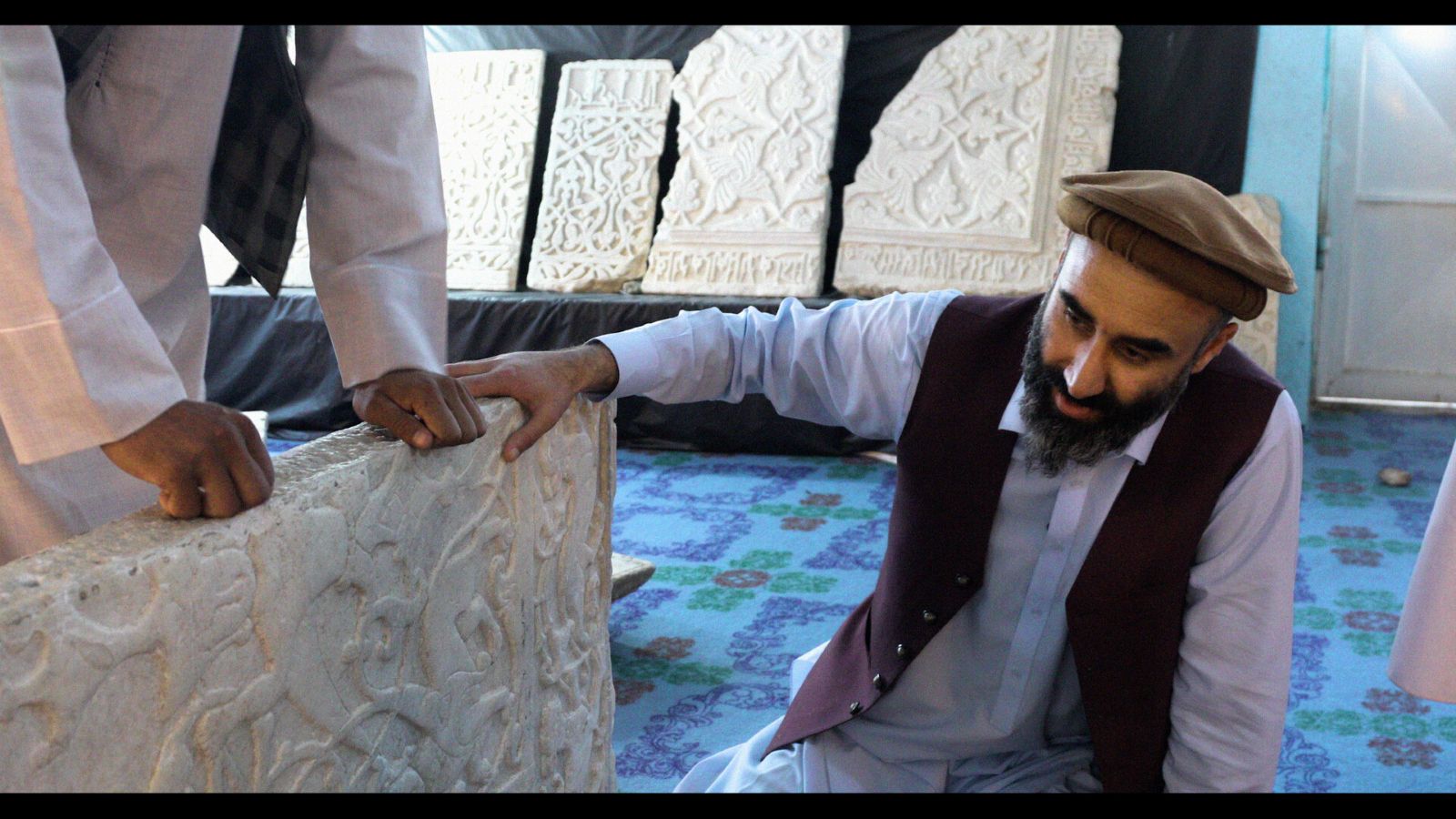
The Theft Review: Reclaiming Afghanistan’s Cultural History
Efforts to repatriate artifacts and artworks stolen from Afghanistan invite wider considerations of cultural history in Aisha Jamal's The Theft . .
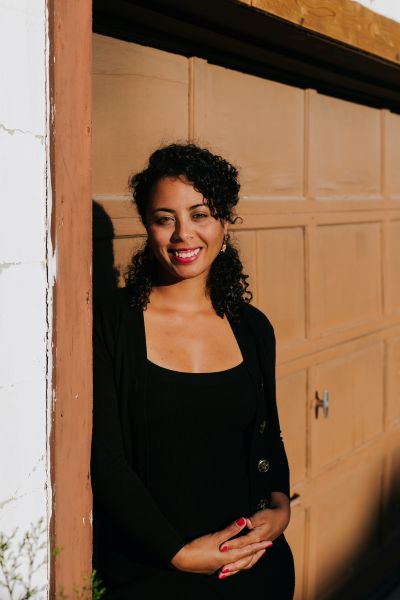
The Roots of Black Zombie
Black Zombie director Maya Annik Bedward tells how her new documentary explores the Haitian Vodou roots of zombie culture. .

The Story of Documentary Film Review: The Art of Documenting Documentaries
The Story of Documentary Film sees Mark Cousins chronicle the history of cinema in his signature fashion with this look at the art of non-fiction film. The post The Story of Documentary Film Review: The Art of Documenting Documentaries appeared first on POV Magazine.