Kikuyu Land Review: A Plantation of Corruption

The fight to reclaim land taken amid the colonization of Kenya fuels Kikuyu Land, an important documentary with a few too many threads. The post Kikuyu Land Review: A Plantation of Corruption appeared first on POV Magazine.
Kikuyu Land
(Kenya, 96 min.)
Dir. Andrew H. Brown, Bea Wangondu
Prod. Moses Bwayo, Andrew H. Brown, Bea Wangondu, Mike Morrisroe, Joseph Njenga
Program: World Cinema Documentary Competition (World premiere)
“They raped our country, they displaced us,” Kenyan activist Mr. Mungai states when reflecting on the systematic corruption observed by Andrew H. Brown and Bea Wangondu in their investigative documentary Kikuyu Land. The “they” he is actively fighting against are the politicians and multinational corporations who have placed the Kikuyu peoplein a lengthy nightmare that they have yet to wake up from.
Raised on lush green hills, which they cultivated and made a key part of their identities, the Kikuyus were unjustly pushed off their land by the hands of colonialism in the 1930s. Their homes where replaced by numerous foreign-owned tea plantations. While political figures like Sir Evelyn Baring, the colonial governor of Kenya in the 1950s, sold an illuminating vision of progress, were the land would become the backbone of Kenya’s agricultural industry, one that would empower the Kikuyus and provide them with skills that could be translated to the European farm industry, the reality was far darker.
The Kikuyus never left the land to which their spiritual identity is tied. Instead, many lived and worked at the plantations. It was the only way they could remain on and eventually be buried in the land of their ancestors.
As white plantation overseers lived a comfortable life in their nice big, and heavily guarded, homes, the Kikuyus endured an endless cycle of poverty, backbreaking labor, and repeated sexual abuse. Despite the blatant human rights violations occurring, bringing those responsible to justice is easier said than done. In fact, it is hard to even find an actual person’s name when it comes to land ownership as everything is listed under companies and subsidiaries. As Wangondu, a Nairobian journalist, quickly finds out, even asking simple probing questions results in veiled threats intended to dissuade.
Sparked by Mr. Mungai’s decades-long fight to prove that the Kikuyus’ land was illegally stolen by colonizers, Kikuyu Land is a sprawling investigation into the levels of corruption that have impacted a community for generations. In following Mr. Mungai as he rallies the community to submit their land disputes, as the National Land Commission (NLC) has opened up a rare window to investigate the claims of theft, Wangondu captures both the fight for justice and the numerous barriers that impede it.
Detailing the tight financial knots that government and multinational corporations have tied themselves in, using deadly tactics to ensure no one unravels the truth, the journalist paints a dire picture of corruption.
Trapped in a structure designed to keep them in a constant state of generational poverty, the Kikuyu people are subjected to numerous atrocities, including the recurring rapes of female workers at the hands of the plantation field managers. As one young school aged boy notes, he does not dare mention to his classmates that he lives on the plantation or the lack of food he receives. The fear of speaking out is not just limited to the workers and their families. Kikuyu Land frequently presents news reports of the various assassinations and abductions occurring in Kenya. Many of the targets are individuals who questioned the government and the corporations’ practices
Digging in the rotted soil of greed and capitalism also forces Wangondu to wrestle with the startling personal revelation she uproots. The long-reaching hands of colonialism have also been in her own family’s pockets as well. Raised to believe that her family was well-respected in the community, she uncovers damaging secrets about her own grandfather’s role in colonial practices.
It is in the exploration of her family history where the cracks in Kikuyu Land’s framing become more visible. Despite being a gorgeously shot film, the documentary struggles to contain the competing stories that are bursting at the seams. Although ripe for a multi-part print or serial series, where each segment can be explored in-depth, Brown and Wangondu’s film is stunted by its desire to squeeze in as many thread as possible.
At the film’s core is a tale of land theft and the various levers that have left a community displaced physically and spiritually. However, Kikuyu Land also tries to juggle the David vs Goliath battle between Mr. Mungai and the NLC, the harrowing tales of workplace violations related to sexual assault, a generation of youth growing up on plantations with only a dream to hold onto, the deadly silencing of political and corporate dissenters, and those in the community who profited off the backs of their neighbours.
By throwing so many balls in the air, the documentary does not allow the audience to focus on any one its important issues for long. These issues are, of course, connected in reality, but the larger story might benefit from tighter focus.
In her closing narration Wangondu notes that when it comes to telling stories about people often “the story doesn’t matter. The only thing that matters is the storyteller, and how loud their voice is…the real story is often told in a whisper.” Kikuyu Land is effective in speaking loudly against the corruption it observes, but it struggles with deciphering whose story needs to be heard most.
Kikuyu Land premiered at the 2026 Sundance Film Festival.
The post Kikuyu Land Review: A Plantation of Corruption appeared first on POV Magazine.
Related Articles

Exposing the Dark Truth of Digital Totalitarianism: Documentary 'Eyes of the Machine' Arrives in Prague as One World Film Festival Opens
Following its acclaimed premiere at IDFA Amsterdam, investigative documentary Eyes of the Machine screens at One World International Human Rights Documentary Film Festival in Prague, with Uyghur witness Kalbinur Sidik attending in person.
The Theft Review: Reclaiming Afghanistan’s Cultural History
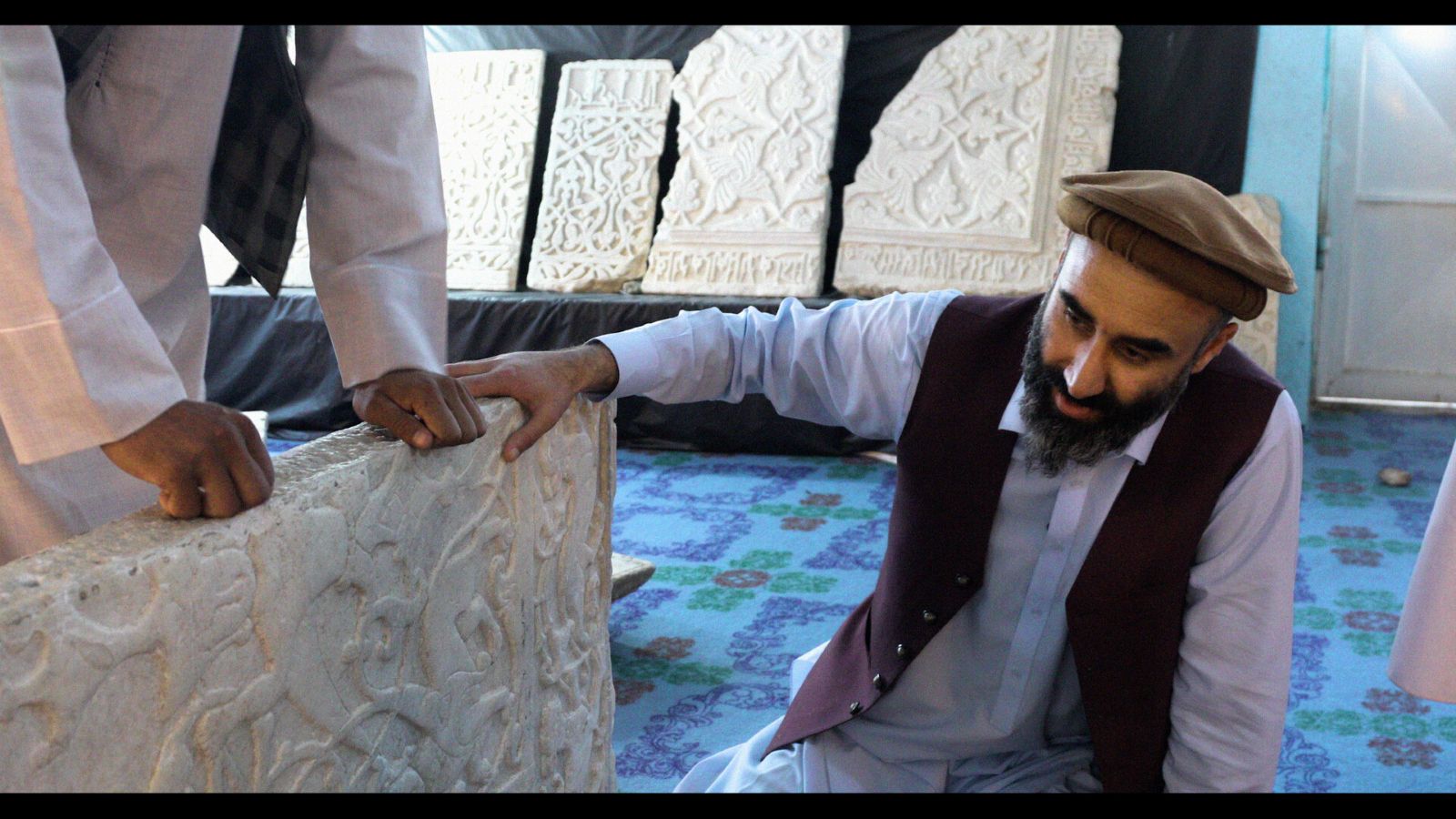
Efforts to repatriate artifacts and artworks stolen from Afghanistan invite wider considerations of cultural history in Aisha Jamal's The Theft . .

The 2026 Sundance Documentary Report: On Last Calls & New Beginnings
Documentary highlights from the 2026 Sundance Film Festival include Nuisance Bear, Once Upon a Time in Harlem, Time and Water, All About the Money, and more! The post The 2026 Sundance Documentary Report: On Last Calls & New Beginnings appeared first on POV Magazine.