Giving Lilith Fair Its Due

In Lilith Fair: Building a Mystery, Ally Pankiw revisits the 1990s' concert that put women like Sarah McLachlan, Sheryl Crow, and Tracy Chapman at centre stage. The post Giving Lilith Fair Its Due appeared first on POV Magazine.
Just thirty years ago, radio DJs refused to play back-to-back tracks sung by women. Listeners would change the station, insisted programmers. A female pop artist had never opened for a female headliner. Tickets won’t sell, said every promoter. Sarah McLachlan had had enough. She went on tour with opener Paula Cole and audiences flocked to the bill. “Let’s do a mini festival with four female artists,” she thought. And music lovers descended on the scene. “OK,” she said, “It’s time for an all-day festival featuring women artists and women-led bands.” And the Lilith Fair was born: three years, from 1997 to 1999, of mammoth day-long events, featuring, among many others, Sheryl Crow, Tracy Chapman, the Indigo Girls and Erykah Badu while energizing the careers of newly minted recording artists like Nelly Furtado, Suzanne Vega and Christina Aguilera.

It wasn’t the first festival organized by women in America. That credit goes to the Michigan Women’s Music Festival, which ran from 1976 to 2015, but it was dominated by artists on the niche label Olivia and appealed to a radical feminist audience. It never came close to achieving Lilith’s impact. Ally Pankiw’s documentary Lilith Fair: Building a Mystery, premiering at the 2025 Toronto International Film Festival, traces the rise of a festival that was one of the 1990s’ most financially successful day events, exponentially expanding feminist and queer representation in mainstream popular culture.

Encouraged by producer Dan Levy, Pankiw (Mae Martin’s TV series Feel Good, I Used to Be Funny) couldn’t resist the opportunity to helm the project. “It’s an underdog story that any filmmaker would be salivating to make,” she says on the phone from Los Angeles. “And there are so many parallels between my experience as a female film director and what the women were up against in the ’90s. It is a miracle that women were able to make anything, never mind something so successful and so revolutionary.”
Revolutionary because it threatened industry authorities who never believed that there was an audience—a rabid one, as Pankiw describes it—for female-centred music. It was scary, remembers Pankiw, for them to see 20,000 women in an audience screaming their passion for the artists they admired. Also challenging the powers that be was McLachlan’s process, which went against all of the patriarchal systems that defined the business.
“That’s the beautiful thing about women-led systems,” Pankiw continues. “They are more collaborative. There was no hierarchy [among the performers], nobody had a bigger dressing room backstage. The festival gave its crews health care and [the atmosphere] made people feel safe.”
This is Pankiw’s first documentary, but making it was not a completely new experience. The film actually takes her back to her early training. “My degree was in journalism and broadcast and doc studies, so this wasn’t my first foray. I always loved my roots in doc. I’m good at creating a safe space for people to express their emotions because that’s what you have to do to be a narrative director and that’s what I had to do for the interviews.”
Those conversations were undertaken with artists including Crow, Bonnie Raitt and music critic Jessica Hopper, co-author (with Sasha Geffen and Jenn Pelly) of the article that inspired the doc—an oral history of Lilith Fair published in Vanity Fair in 2019—and one of the producers of the doc. Levy, an interviewee in addition to being a producer, describes how his experience in the Lilith audience as a young teenager turned into an essential element of his own coming out story. Many of the performers paint a picture of how dire the circumstances were for female artists at the time, reinforcing Lilith’s status as a powerful ground breaker.
But it’s the archival goldmine of interviews and performances discovered just as Pankiw thought she’d gathered everything that offers crucial insights. In a key historic moment, after the first festival, just as McLachlan was losing her nerve and considering adding male artists to the bill, Emmylou Harris looks her in the eye and urges her not to do it.
Other material highlights the fest’s commitment to artistic teamwork. There’s footage of performers rehearsing backstage together for spontaneously created collaborations. It had become a staple for all the days’ performers to take the stage for an epic finale, but other performances were more intimate. McLachlan’s duet with Sinéad O’Connor on “Angel” is breathtaking.

McLachlan, whom Pankiw describes as a “an accidental revolutionary,” isn’t necessarily the first artist you’d imagine to helm a radical project. But the documentary upends the stereotype of her as a folky flower child playing sweet music. Through the Lilith process, she grows into a fierce defender of her values, able to pivot when facing legitimate criticism and firing back at pro-life activists who were refused permits to distribute material at the information tables.
“It’s my festival and I decide,” she says when journalists challenge her. When the Lilith bill was criticized for being too white—Tracy Chapman was the only woman of colour on the main stage at the first festival—McLachlan sought out Erykah Badu, Queen Latifah, Missy Elliott and Meshell Ndegeocello. Defying the inevitable gay baiting in the main- stream, where comics mercilessly made the fest the butt of their jokes, McLachlan brought on the openly queer pop duo the Indigo Girls, who attracted a new audience.
Says Pankiw, “There’s something beautiful about the fact that it was the presence of the Indigo Girls that loosened everybody up.” Sensing the need for some more rock-driven and edgy artists, McLachlan convinced initially resistant performers like Chrissie Hynde and Sandra Bernhard to join fest, both of whom are revealed in the film to have been wholly converted by the experience— even Hynde, who insisted previously in every interview she’d done that she was a musician not a woman musician. At one point McLachlan flashes her breasts at the Pretenders’ lead singer while they’re on stage. A gobsmacked Hynde plainly loves it.
Pankiw likes to refer to the doc’s interview with Bernhard, when the infamous shit disturber describes her internal conflict through the ’90s. “Sandra says it well,” Pankiw explains. “You keep yourself safe by being part of the boys’ club. Though those women were incredibly cool, they weren’t immune to that pressure. It was a scary time to call yourself a feminist.”
Pankiw doesn’t entirely dismiss the ’90s as wholly reactionary. When I scoff at the fact that the Seattle scene was called alternative, she allows that grunge was, in fact, a threat to the mainstream industry. “There was progress in the ’90s,” she allows. “Turning away from that shiny manufactured era of the ’80s [constituted] a reset. People telling their own stories was not good for capitalism. Stripping back the sheen was scary to people who had power.”
But scenes of the testosterone-fuelled, violence-prone Lollapalooza fest, presented in the context of Lilith’s celebratory, fun-filled atmosphere, make the point that McLachlan and company were doing something completely different. Did Lilith change the music world for good? Obviously not, but Pankiw declares that the industry has taken a positive turn. “There’s definitely been improvement, more representation, more women in every facet of the industry, but we have a long way to go. Women still don’t control what art is being made. There are so many female songwriters that don’t get paid properly; Chappell Roan commented on that when she accepted her Grammy this year.
“But there are still ripple effects from Lilith. Sheryl Crow says she uses the Lilith model when she’s planning her tours. But look under the hood of any piece of the entertainment puzzle and there’s a lot of work to be done.” Don’t let the mean-spirited ways the Lilith Fair is remembered define what it was and what it meant. “Lilith is so misremembered and trivialized by pop culture, but it’s important to look back on how miraculous it was,” Pankiw declares. “You can make fun of something as much as you want but you can’t change the joy at the heart of it.”
Lilith Fair: Building a Mystery has its world premiere at TIFF and airs on September 17, 8 pm on CBC and CBC Gem.
Get more coverage from this year’s festival here.
The post Giving Lilith Fair Its Due appeared first on POV Magazine.
Related Articles
Visions of the Croisette: The Ultimate Prediction for the 2026 Cannes Film Festival Main Competition
Caught between streaming algorithms and geopolitical upheaval, does cinema’s “sacredness” still matter? A Los Angeles–based team predicts the 22 Palme d’Or contenders for Cannes 2026—from PTA and Östlund to Panahi, Rohrwacher, and beyond.
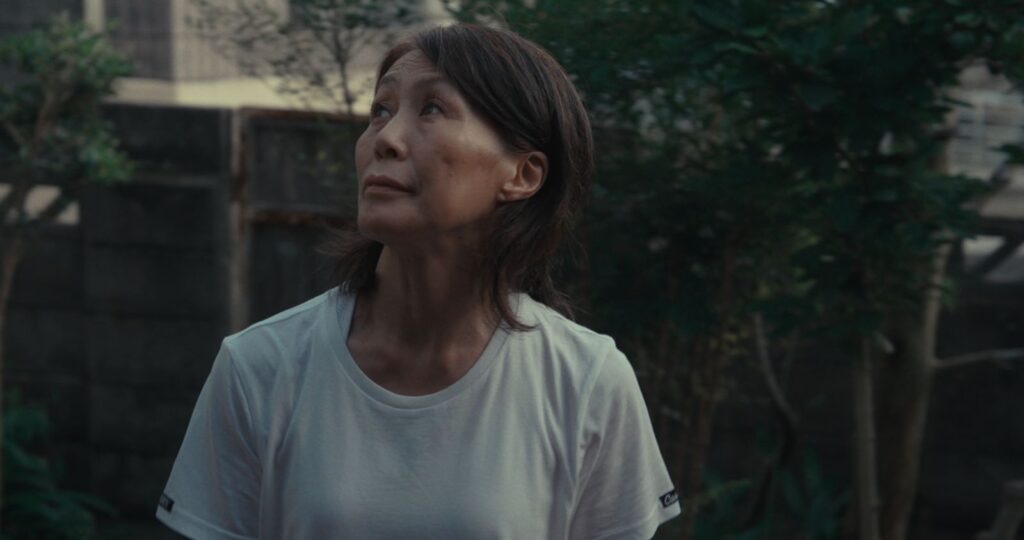
The Memory Palace: Or, If These Walls Could Talk
How films like Okuirmono, The Nest, and This House explore the histories embedded within the walls of our family homes. .
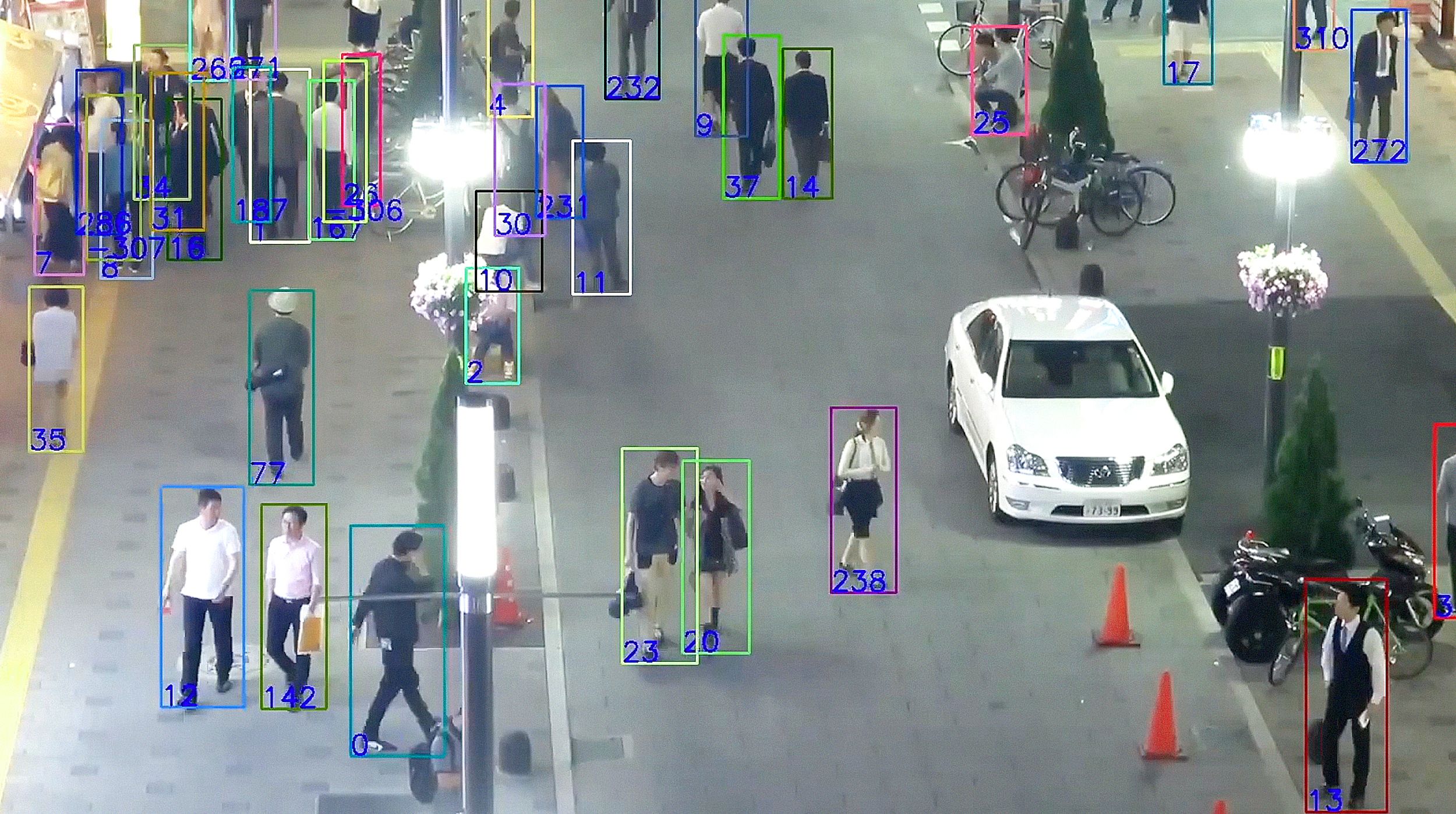
Exposing the Dark Truth of Digital Totalitarianism: Documentary 'Eyes of the Machine' Arrives in Prague as One World Film Festival Opens
Following its acclaimed premiere at IDFA Amsterdam, investigative documentary Eyes of the Machine screens at One World International Human Rights Documentary Film Festival in Prague, with Uyghur witness Kalbinur Sidik attending in person.