Documentary Producers Alliance Launches Ethics Resource Library

The Documentary Producers Alliance launches the Ethics Resource Library to assist documentary filmmakers across production and distribution.
Throughout the demanding and, in most cases, independent process of making documentaries, filmmakers and producers often find themselves at an ethical crossroads – pulled in different directions by the demands of the job, the desire to be creative, and their rigid budgets and production schedules. In an effort to ease their troubles, the Documentary Producers Alliance (DPA), a nonprofit advocacy organization, has established the Ethics Resource Library (ERL), a compendium of tools that guide doc filmmakers through ethical concerns across all stages of production.
The Library, which was unveiled at the Tribeca Film Festival in June, is envisioned to be a “living conversation” between filmmakers where anyone facing an ethical dilemma pertaining to docs can begin their quest towards an answer. Through the ERL, the DPA collates and curates a variety of resources, including articles, editorials, video presentations, keynote addresses, guidelines, courses, podcasts etc., which are organized by topic/keyword/tag and pre-vetted by the DPA committee.
In an interview with the Doc Voices newsletter, the DPA described how they are not seeking to offer a “one-size-fits-all” solution but rather an endless library from which individuals can draw as per their needs and requirements. Providing an example for when an individual might access the ERL, they said, “A filmmaker may be asked by a participant to be paid for their participation in a film project. One could go to the ERL and search by ‘compensation’ or ‘Participants’ and find the ITVS report called The Filmmaker Participant Relationship Unpacked, which explores that subject based on a large-scale study of filmmakers and participants around what works and what can be improved as it relates to questions around benefits and risks to sharing personal experiences or perspectives in documentary film and what some projects have done to create a more balanced relationship between filmmaker and participant.” In this manner, the ERL can be sought to provide answers for a variety of questions that are asked to doc filmmakers all across the world.
Across the various roles that filmmakers often play on a shoot, they also have to be efficient problem solvers while considering multiple stakeholders. Other tools that can help doc makers wear different hats include the Transgender Media Portal, a guide to hosting post-screening conversations, and the Diversity Style Guide, all of which can help filmmakers navigate storytelling with diverse communities. Meanwhile, guides on interviewing in the aftermath of trauma and covering mass shootings can help filmmakers tell stories with emotional tolls. The ERL also offers guides on financial matters, such as minimum wage and the “Documentary Cash Grab” discussed in the trades.
You can access the Ethics Resource Library here.
Related Articles
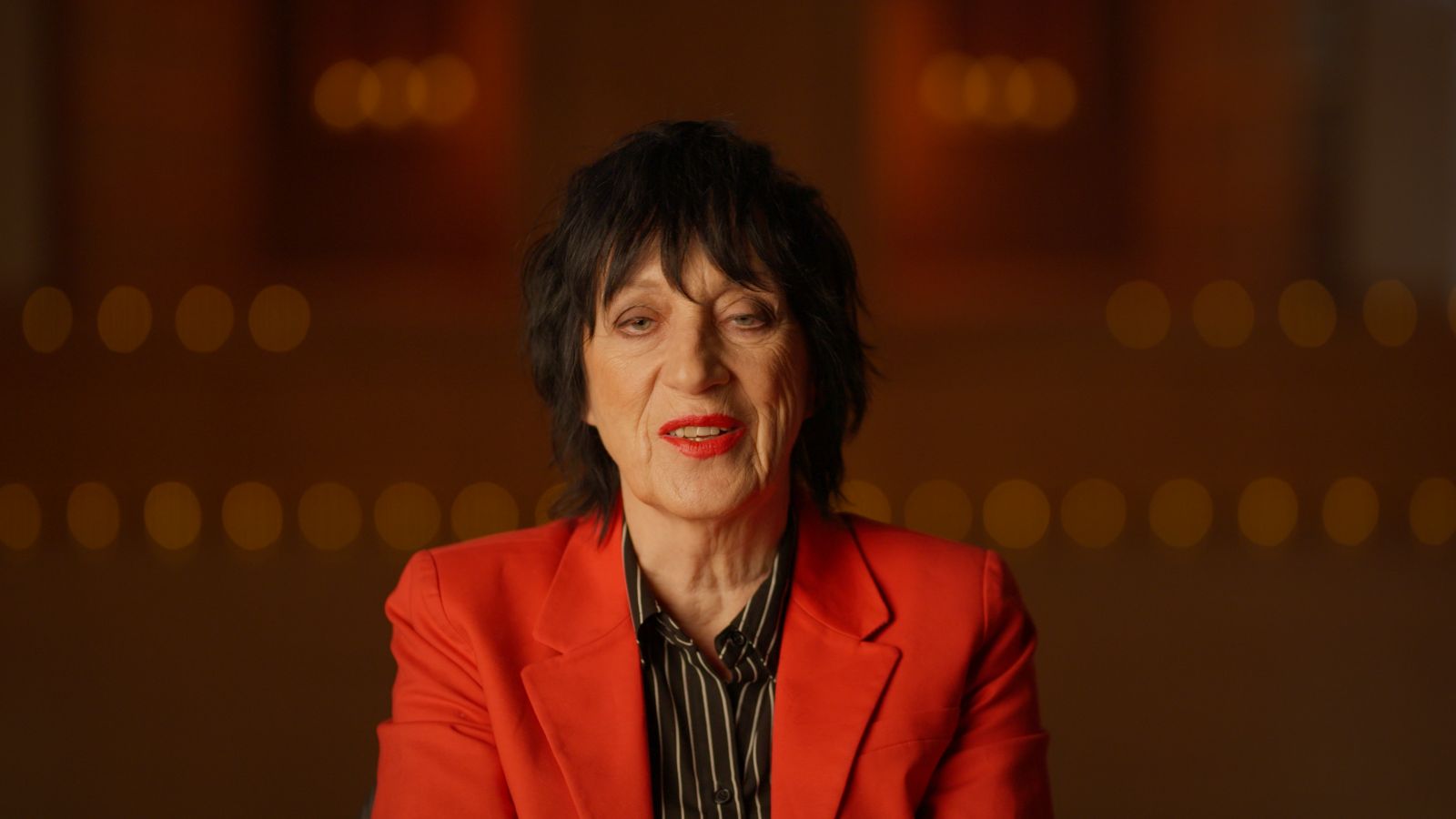
Hot Docs to Open with Antidiva: The Carole Pope Confessions
Hot Docs announced line-up for 2026 festival, including opening night selection Antidiva: The Carole Pope Confessions about the iconic Canadian rock star. .

Hot Docs Announces Forum and Deal Maker Titles for Industry Sessions
Hot Docs Forum returns after a one-year pause with fifteen projects representing nine countries. The festival also announced participating Deal Maker projects. .
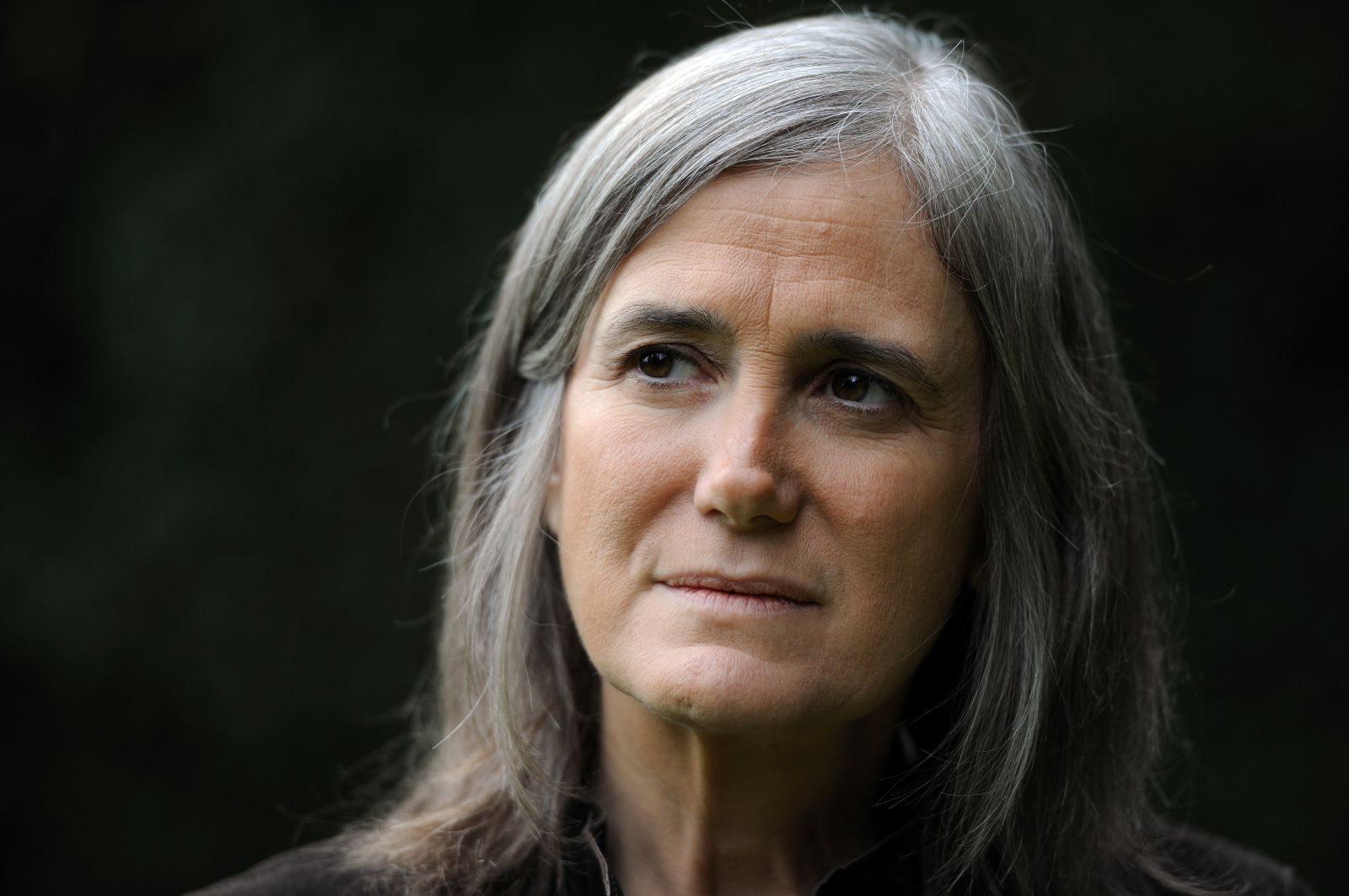
Amy Goodman Headlines Hot Docs’ Big Ideas Series
Hot Docs Big Ideas series includes documentaries about journalist Amy Goodman, digital dating, Myspace, and the Women, Life, Freedom movement. .